


Frequently Asked Questions

Find answers to common questions about LS Busway products, applications, technical resources, quote requests, and project support. For project-specific guidance, contact our team or request a quote.

What is busway?

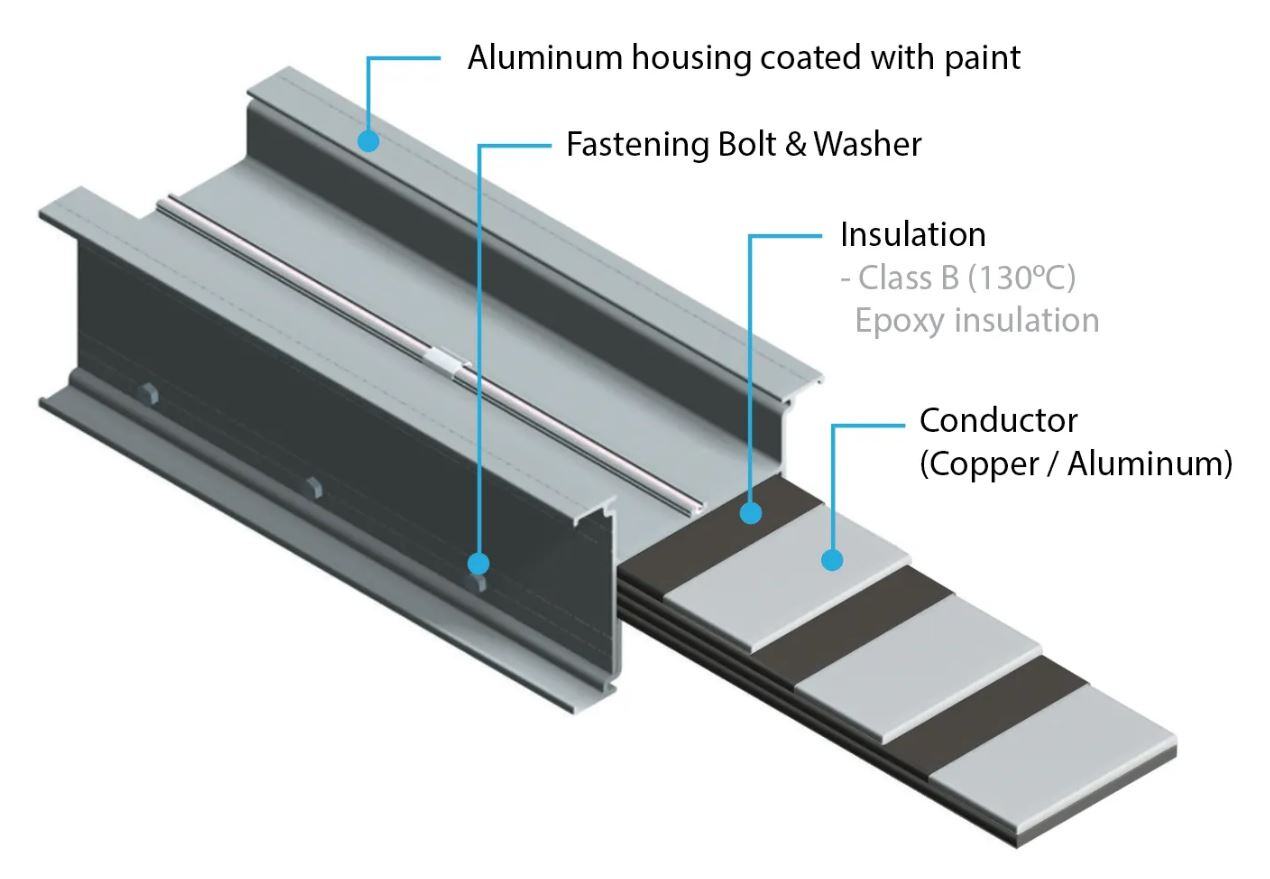
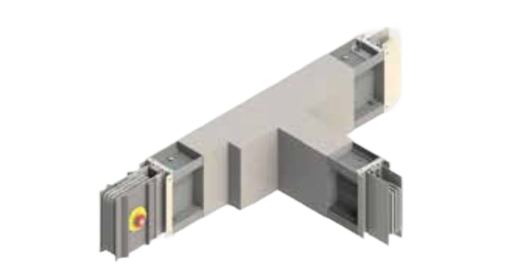
Busway is an enclosed power distribution system that uses conductors inside a protective housing to distribute electricity through a building or facility. It is often used in applications where compact routing, modular expansion, and flexible tap-off points are important.

Can LS Busway support future expansion?

Busway can support future changes more easily than many traditional wiring approaches because modular sections and planned tap-off points can be built into the system design. Any expansion or modification should be reviewed by qualified personnel and confirmed against the product configuration.

What makes busway different from traditional cable and conduit?

Busway is an enclosed power distribution system made with prefabricated sections. Compared to traditional cable and conduit layouts, busway can help simplify routing, reduce installation complexity, support compact layouts, and make future system changes easier to plan.

How does LS Busway support electrical safety?

LS Busway systems are designed to support enclosed, organized power distribution. Product selection, installation, operation, and maintenance should follow approved documentation, applicable electrical codes, and qualified safety procedures.

What is Ex-Way used for?
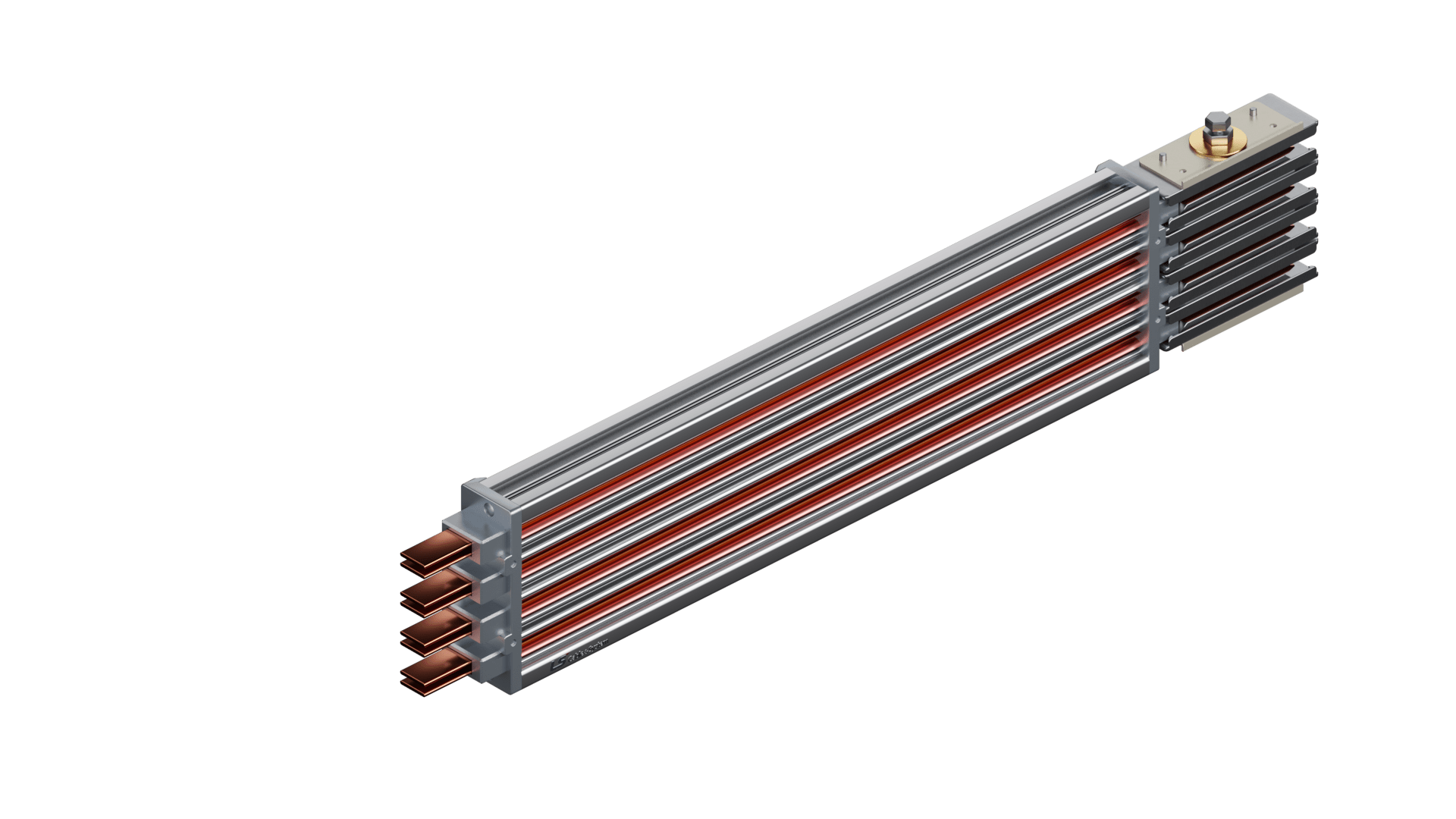
Ex-Way is used for low-voltage power distribution in commercial buildings, industrial facilities, data centers, and other large electrical environments. It is designed to help distribute power through a compact, enclosed busway system.
Where is Ex-Way commonly applied?
Ex-Way is commonly used in manufacturing facilities, commercial buildings, high-rise projects, and other applications where reliable low-voltage power distribution is needed.
What is Data-Way used for?
Data-Way is designed for data center power distribution, especially where flexible overhead routing, tap-off access, and scalable rack-level power delivery are important.
How does Data-Way support data center layouts?
Data-Way helps distribute power through an organized busway system that can support changing rack layouts, equipment updates, and future expansion without relying on long cable runs across the data hall.
What is CR-MV used for?
CR-MV is used for medium-voltage power distribution in demanding environments where durability, insulation performance, and long-term reliability are critical.
What type of applications is CR-MV designed for?
CR-MV can support industrial facilities, power plants, infrastructure projects, tunnels, offshore or coastal environments, and other applications where medium-voltage power distribution must withstand harsh conditions.
What is NSPB-MV used for?
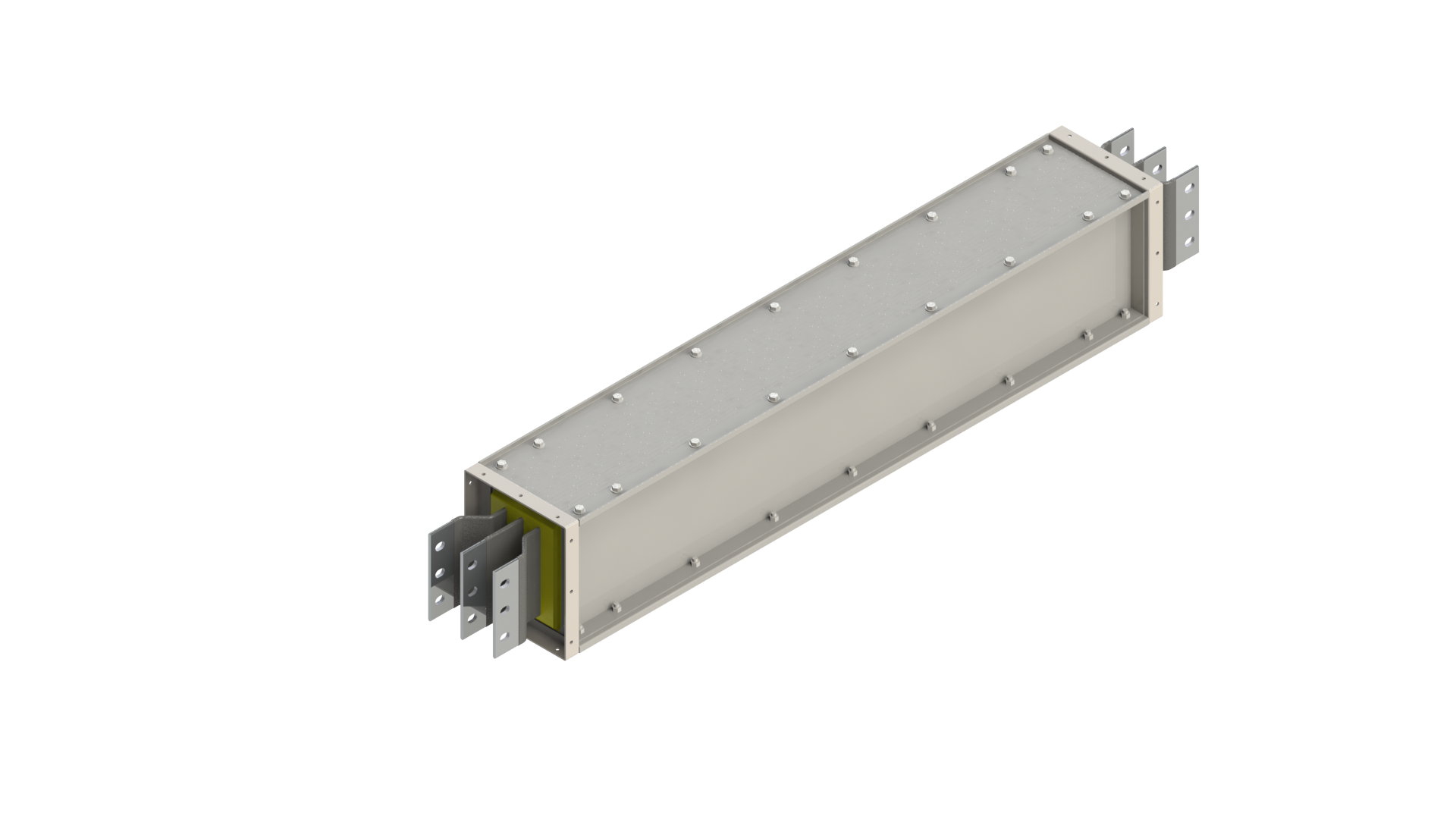
NSPB is used for low and medium-voltage power distribution between major electrical equipment, including transformers, switchgear, generators, substations, and other large electrical systems.
What does non-segregated phase mean?
Non-segregated phase busway means the phase conductors are housed within a common enclosure rather than separated into individual phase compartments. Final product details and configuration should be confirmed through LS Busway documentation and engineering review.
What is a bus plug?
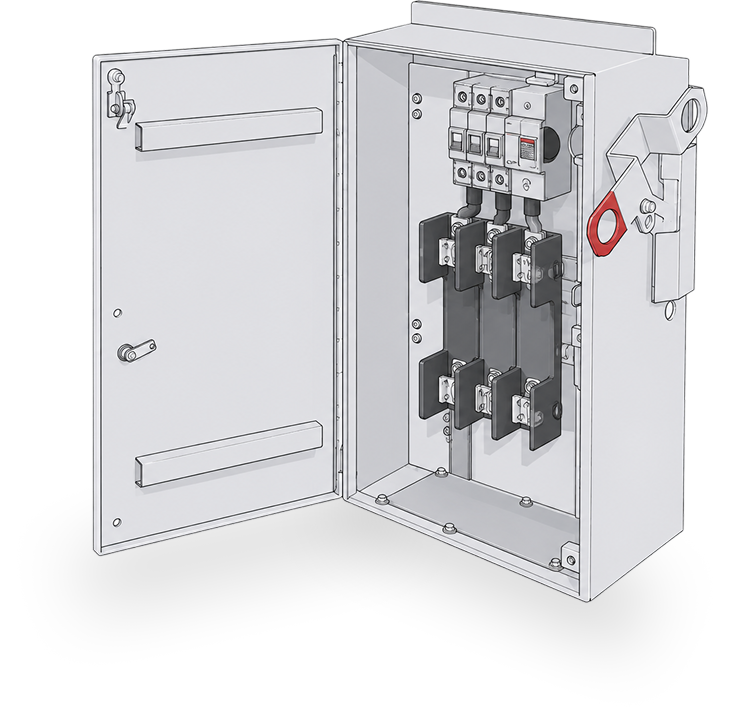
A bus plug is a device used to tap power from a compatible busway system and distribute it to downstream equipment, machinery, panels, or other electrical loads.
What types of bus plug are available?
Bus plugs are available in different configurations, including circuit breaker and fusible disconnect options. Final availability depends on the compatible busway system, current rating, and project requirements.
What is DTS?
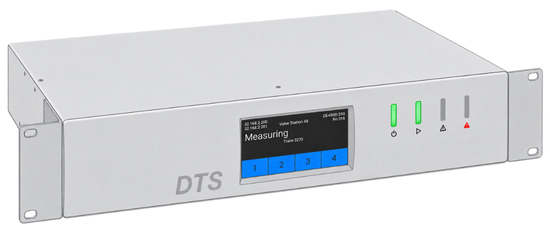
DTS stands for Distributed Temperature Sensing. It is a monitoring solution that helps track temperature conditions along busway systems to support system visibility and maintenance planning.
Why is temperature monitoring important for busway systems?
Temperature monitoring can help facility teams identify abnormal heat conditions, improve awareness of system performance, and support proactive maintenance before issues become more serious.
Why is DC power distribution important for these applications?
Many energy storage, EV charging, and renewable energy systems rely on DC power at some stage of operation. A dedicated DC busway solution can help support organized distribution in these environments.
Who should I contact for DC-Way information?
Please contact LS Busway for the latest DC-Way availability, specifications, and project-specific guidance.
What capacities are available?
LT-Way is available in 25A, 40A, and 63A capacities.
What environmental and protection features does LT-Way provide?
LT-Way is manufactured to meet RoHS standards and uses environmentally conscious, hazard-free components. It also provides standard IP54 protection.
What plug-in unit options are available?
LT-Way offers phase selection, fuse, and plug-in unit types. The plug-in type is available in single-receptacle and tri-receptacle versions.
Where is busway commonly used?

Busway is commonly used in data centers, commercial and industrial facilities, high-rise buildings, renewable energy infrastructure, battery energy storage projects, and other applications where reliable and flexible power distribution is needed.

Do you provide technical support?

Yes. LS Busway can help with product questions, application guidance, specification support, layout needs, and project-specific documentation. For technical questions, use the Talk to an Engineer form or contact the LS Busway team.

How are LS Busway systems configured for a project?

Busway systems are configured based on project requirements such as voltage, current rating, conductor material, installation environment, routing layout, equipment connections, enclosure requirements, and accessories. Final configuration should be reviewed with LS Busway before specification or ordering.

Does DTS replace regular maintenance?
No. DTS can support temperature monitoring and maintenance planning, but it does not replace required inspections, qualified maintenance procedures, or site safety practices.
When should I choose Ex-Way instead of traditional cable or conduit?
Ex-Way may be a good fit when a project needs compact routing, simplified installation, modular expansion, or more accessible power distribution compared to long cable and conduit runs.
Can Ex-Way be used indoors or outdoors?
Available enclosure options depend on the project requirements and product configuration. Indoor and outdoor use should be reviewed with the LS Busway team to confirm the correct enclosure rating and application fit.
Why use overhead busway in a data center?
Overhead busway can help keep floor space clear, support airflow planning, simplify access to power distribution, and make future changes easier to manage as rack densities and equipment needs evolve.
Can Data-Way support changing power needs?
Yes, Data-Way is designed to support flexible power distribution as equipment layouts and load requirements change. Final configuration should be reviewed based on project drawings, load requirements, and site conditions.
What makes CR-MV different from other medium-voltage busway options?
CR-MV uses a cast-resin-insulated design that helps protect the busway system in demanding environments. The best product choice depends on project conditions, voltage, current rating, environmental exposure, and installation requirements.
How do I confirm the correct CR-MV configuration?
Contact LS Busway with project details such as voltage, current rating, layout, installation location, environmental conditions, and required documentation so the team can help review the appropriate configuration.
Where is NSPB commonly applied?
NSPB is commonly used in industrial facilities, infrastructure projects, substations, power generation environments, and large-scale electrical distribution systems.
Can NSPB be customized for project layouts?
NSPB systems can be configured based on project layout and equipment connection requirements. Final configuration should be reviewed with LS Busway and the project engineering team.
How do I know which bus plug I need?
The correct bus plug depends on the busway system, current rating, protection requirements, equipment load, installation location, and project standards. Contact LS Busway for help reviewing the correct configuration.
Can a bus plug be added or moved after installation?
Bus plug installation or relocation depends on the system design, site conditions, and applicable safety procedures. Any work should be performed by qualified personnel and follow approved product instructions and electrical safety requirements.
Where can DTS be used?
DTS can be used in data centers, industrial facilities, commercial buildings, and other environments where busway temperature monitoring is important for reliability and operational visibility.
What is DC-Way used for?
DC-Way is intended for direct-current power distribution applications, including battery energy storage, EV charging infrastructure, and other DC power environments.
Where could DC-Way be applied?
DC-Way may support applications such as battery energy storage systems, EV charging infrastructure, renewable energy projects, and other electrical systems that use DC power distribution.
What is LT-Way designed for?
LT-Way is designed to distribute power to lighting circuits and other small-capacity loads from 25A to 63A.
How does LT-Way support changing facility layouts?
Its adaptable system configuration and flexible fittings make LT-Way well suited for spaces that require frequent reconfiguration.
Where can LT-Way be used?
LT-Way is suited for retail spaces, factories, parking structures, greenhouses, cleanrooms, and other facilities with lighting or small power load requirements.
How does LT-Way simplify installation and maintenance?
LT-Way is lightweight and easy to assemble, helping simplify transportation, installation, and ongoing maintenance.

Need more information?

Get in touch with our team.

Secondary_CTA_Pattern

Need Help Specifying?

Our application engineers can help you select the right busway system, provide layout
assistance, and generate a project-specific quotation.